Why You Should Never Close a Credit Account
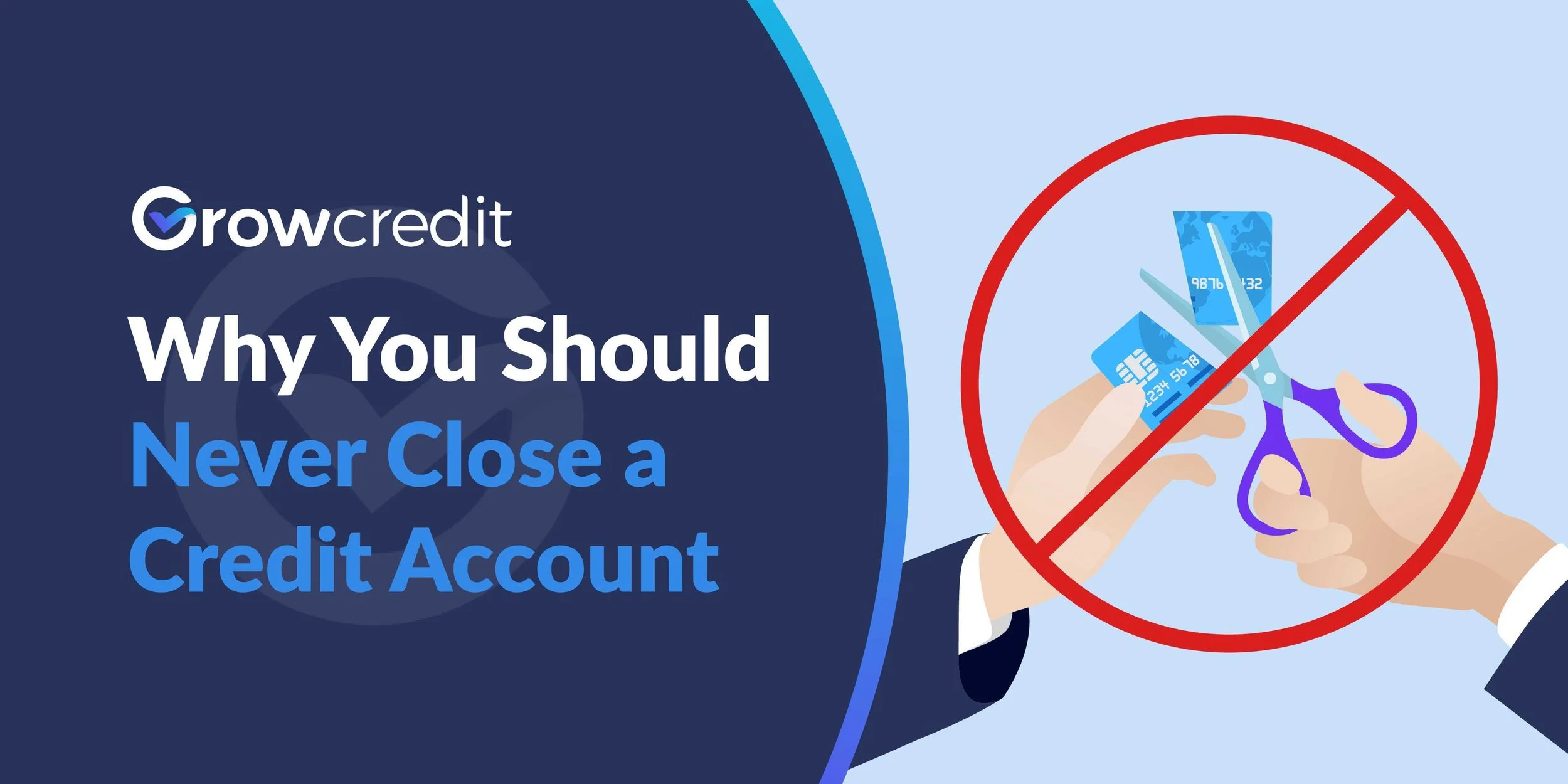
Many have had the experience of finally paying off that student loan, or making your last car payment and celebrating your financial progress. However, when you look at your credit report, you notice that your credit score has gone down. It makes no sense–less debt is good, right?
Closing an old credit account, either by paying off an installment loan in full (like a student loan, mortgage, or car payment), or by closing a revolving line of credit (like a credit card account) may negatively impact your credit score. If you’re going to pay off your debt completely, it’s best to leave as many accounts as you can open, even if you’re not going to use them. It may sound counterintuitive, but it makes more sense when you break down how a credit score works.
What Makes Up a Credit Score?
As a review, here are the components that make up your credit score, and the approximate percentage that each makes up:
Payment history - 35%
Amounts owed - 30%
Length of credit history - 15%
Credit mix - 10%
New credit - 10%
Four out of five of these factors can be negatively impacted by closing a credit account. Here’s why.
Payment history - 35% of your score
In order to have a good or excellent score, you need at least five open lines of credit on your credit report. Borrowers with less than five lines of credit are considered thin credit users, which means that there’s not enough data to determine creditworthiness. If you don’t have many lines of credit in your file and closing an account causes you to dip below five, that may be one reason your score dropped.
Amounts owed - 30% of your score
A FICO score takes into account the percentage of your credit you are using according to a number referred to as a “credit utilization ratio.” As a general rule, you want to make sure that you’re not using more than 30% of your credit limit at any given time. Therefore, having a higher credit limit can lower that ratio, since there’s a larger pool of money that you are able to borrow from. Paying off a loan in full or closing a credit card account means that you’re borrowing from a smaller pool of money, which can raise your credit utilization ratio.
That’s one of the reasons that a Grow Credit loan is structured as an annual line of credit. For example, if you have the free Build card or a Build Secured card, your $17 monthly transaction limit is reported as $204 to the credit bureaus, representing all 12 months of your monthly limit. Even if you’re paying all the way up to $17 in subscription fees monthly, your credit utilization ratio won’t go above 8.3%.
Length of Credit History - 15%
Your credit score takes into account the average length of time that you’ve had credit. Closing an old account shortens that average.
Credit mix - 10%
In order to max out your credit score, you need to have a diverse mix of credit types on your file, including both revolving credit and installment loans. Closing an account may cause you to have fewer kinds of credit, which can hurt your score.
The Bottom Line
It can be stressful having to manage multiple kinds of debts, and paying off a loan in full or getting rid of that old credit card can feel liberating. In many cases, closing an account is simply unavoidable if you’re going to stay current on your debts; a mortgage, car loan, or student loan will drop off of your report once it’s paid in full.
However, whenever you can avoid it, you shouldn’t close a credit account. If you have an old credit card and don’t plan to use it anymore, the best thing to do is to put it into a drawer and forget about it. Even if you’re not using the card, the line of credit will stay on your report and help you keep a robust, diverse credit file with a lower credit utilization ratio and a longer average payment history.
If you’ve been a Grow Credit customer and you’re no longer using your account, you can keep the account open but dormant so you don’t lose any of your hard-earned progress while you continue your credit-building journey, even if you’re not currently paying for any subscriptions with your virtual MasterCard. Feel free to reach out to our customer service team at BeHappy@growcredit.com for more information or assistance.